
Top FAQs About Disability Support in Australia Answered


Understanding Disability Support in Australia
Disability support in Australia is a crucial service that helps individuals with disabilities live more independently and engage fully in the community. Understanding the available support options can be overwhelming, so we've compiled a list of frequently asked questions to help clarify the process.

What is the National Disability Insurance Scheme (NDIS)?
The National Disability Insurance Scheme (NDIS) is a government initiative providing funding for various supports and services to individuals with permanent and significant disabilities. The goal is to enhance their quality of life and assist them in achieving personal goals. The NDIS is tailored to individual needs, which means each participant receives a unique plan based on their circumstances.
How Can One Access the NDIS?
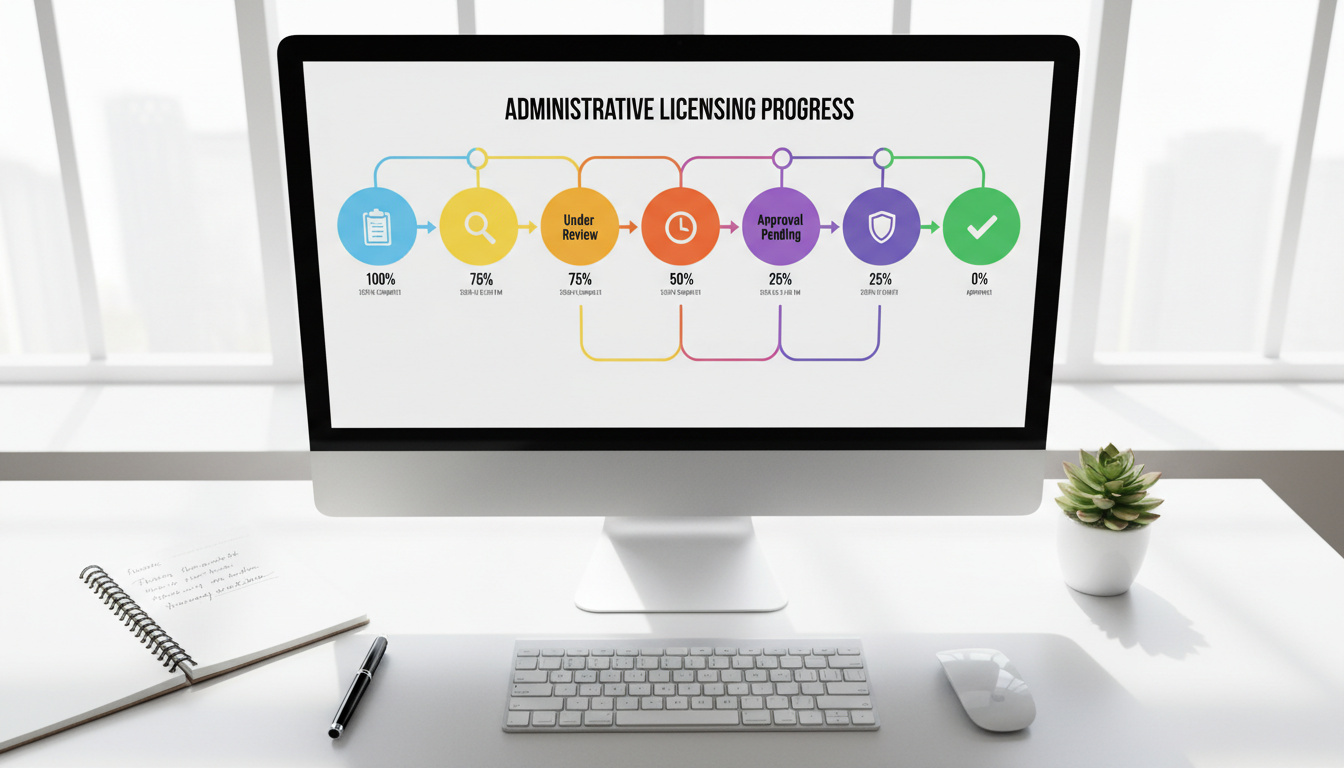
Accessing the NDIS involves a few steps. Firstly, individuals must determine their eligibility based on criteria such as age, residency, and the nature of their disability. Once eligibility is confirmed, they can apply through the NDIS website or by contacting the National Disability Insurance Agency (NDIA). It's essential to provide evidence of the disability and its impact on daily life.
Types of Support Available
The NDIS provides a wide range of supports, including:
- Personal care and support
- Therapeutic supports (e.g., physiotherapy, speech therapy)
- Assistance with household tasks
- Transport assistance
These supports are designed to help participants achieve greater independence and improve their social and economic participation.
What is a Support Coordinator?
A Support Coordinator is a professional who helps NDIS participants understand and implement their plans. They assist in connecting individuals with service providers, ensuring the supports are effective and meet the participant's goals. This role is crucial in navigating the complexities of the NDIS.

Financial Management of NDIS Plans
Participants can choose how their NDIS funds are managed. Options include self-management, plan management, or NDIA management. Each method has its advantages:
- Self-management: Offers the most flexibility and control over funds.
- Plan management: Provides professional assistance with financial tasks.
- NDIA management: The NDIA handles all financial transactions on behalf of the participant.
How to Adjust an NDIS Plan?
If a participant's needs change, they can request a plan review. This process involves reassessing the participant's goals and supports to ensure their plan remains relevant. It's important to document any changes in circumstances to facilitate a smooth review process.

Common Challenges and Solutions
While the NDIS offers significant benefits, participants may face challenges such as understanding their plans or finding suitable providers. Engaging with a Support Coordinator or attending NDIS workshops can be valuable in overcoming these hurdles. Additionally, the NDIS website offers numerous resources to guide participants through the process.
The disability support landscape in Australia is comprehensive and continually evolving. By staying informed and proactive, individuals with disabilities can make the most of the resources available to them.